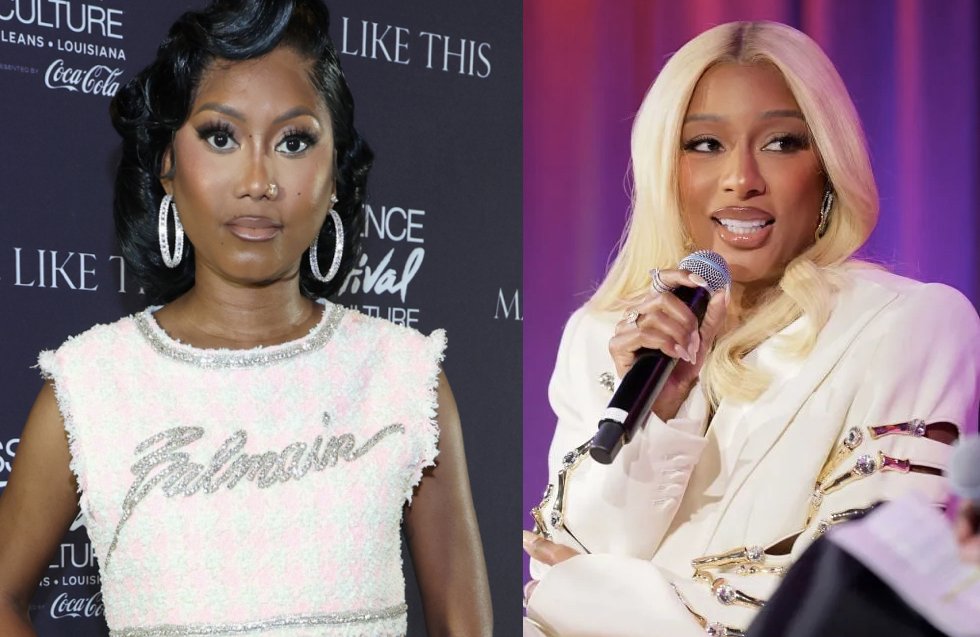
Xania Monet biography – Meet the first AI artist on Billboard charts. Learn about creator Telisha Nikki Jones, hit song “How Was I Supposed to Know,” $3M record deal, and career.
Who is Xania Monet?
Xania Monet represents a revolutionary moment in music history as the first artificial intelligence artist to chart on Billboard’s Radio Airplay list. Created in 2025 by Mississippi poet and designer Telisha “Nikki” Jones, this AI-generated R&B singer has captivated millions with emotionally resonant music that challenges traditional notions of artistry and authenticity.
Unlike conventional musicians, Xania Monet exists entirely in the digital realm—her voice, image, and persona crafted through sophisticated AI technology. Yet her music carries genuine emotional weight, with lyrics drawn from Jones’s personal experiences including the loss of her father at age eight and navigating complex relationships. This unique fusion of human creativity and artificial intelligence has sparked intense debate about the future of music while simultaneously earning commercial success that many human artists spend years pursuing.
Her breakout single “How Was I Supposed to Know?” topped Billboard’s R&B Digital Song Sales chart and accumulated 9.8 million U.S. streams within weeks of release. Following a competitive bidding war, she secured a multimillion-dollar recording contract with Hallwood Media, making her the first AI artist to achieve such a milestone. With over 152,000 Instagram followers and millions of streams across platforms, Xania Monet has transformed from experimental project to mainstream phenomenon in mere months.
Quick Facts About Xania Monet
| Category | Details |
|---|---|
| Full Name | Xania Monet (AI Artist) |
| Real Creator | Telisha “Nikki” Jones |
| Created | 2025 (approximately April-May) |
| Age | N/A (AI entity created in 2025) |
| Creator’s Age | 31 years old (as of 2025) |
| Creator’s Origin | Olive Branch, Mississippi, USA |
| Genre | R&B, Gospel, Afropop |
| AI Platform Used | Suno |
| Breakout Single | “How Was I Supposed to Know?” |
| Record Label | Hallwood Media |
| Record Deal Value | $3 million (multimillion-dollar contract) |
| Billboard Achievement | First AI artist on Radio Airplay chart |
| Instagram Followers | 152,000+ |
| Total Streams | 9.8 million U.S. streams (as of September 2025) |
| Chart Positions | No. 1 R&B Digital Song Sales, No. 21 Hot Gospel Songs, No. 25 Emerging Artists |
The Creator Behind the Avatar: Telisha “Nikki” Jones
Telisha “Nikki” Jones, a 31-year-old poet and design studio owner from Olive Branch, Mississippi, serves as the creative force behind Xania Monet. Born in the early 1990s and raised in Mississippi’s southern culture, Jones developed her artistic sensibilities through poetry writing that began when she was 24 years old.
Running her own design studio while nurturing her passion for creative writing, Jones had been exploring poetry for several years before discovering AI technology’s potential to transform her written words into music. Despite admitting she cannot sing herself, Jones possessed a rich catalog of emotionally charged poems drawn from personal experiences—material that would eventually form the foundation of Xania Monet’s discography.
Her background in design and creative arts provided technical aptitude that proved essential when she began teaching herself AI tools approximately four months before Xania’s public debut. This combination of artistic vision and technological curiosity positioned Jones uniquely to pioneer what would become groundbreaking territory in the music industry.
Creation Story: From Poetry to Digital Stardom
Jones created Xania Monet using the generative music platform Suno, which converts text prompts into fully produced songs. Her process involves feeding her poetry into the AI system alongside specific production instructions like “slow-tempo, rnb, deep female soulful vocals, light guitar, heavy drums.” The platform then generates multiple iterations from which Jones selects versions that align with her artistic vision.
Crucially, Jones writes 100% of the lyrics herself—the AI generates only the vocal performance, melody, and instrumental accompaniment. She describes Xania as “an extension of me” and insists on viewing her creation “as a real person” despite the digital nature of the project. This emotional connection stems from the deeply personal content embedded in the songs, with many tracks exploring Jones’s own trauma, relationships, and life experiences.
The visual representation of Xania Monet was crafted using additional AI tools including CapCut and fal.ai, creating a cohesive digital persona complete with stylized imagery that appears across social media platforms and promotional materials. This multi-layered approach—combining lyrical authenticity with AI-generated performance and visuals—distinguishes Xania from simpler AI music experiments.
Musical Breakthrough and Billboard History
“How Was I Supposed to Know?” and Viral Success
Xania Monet’s debut single “How Was I Supposed to Know?” became an immediate viral sensation on TikTok, where users created emotional videos mouthing the lyrics under captions like “POV: you found that one song that speaks for your soul.” The song’s exploration of growing up without a father and falling into complicated relationships resonated powerfully with listeners across demographics.
Jones revealed that this particular song was inspired by losing her own father when she was just eight years old, infusing the AI-generated performance with genuine emotional backstory that audiences instinctively sensed. The track accumulated millions of streams and debuted at No. 1 on Billboard’s R&B Digital Song Sales chart—a remarkable achievement that typically requires established promotional infrastructure and industry connections.
Historic Billboard Achievements
In September 2025, Xania Monet made history when “How Was I Supposed to Know?” entered the Adult R&B Airplay chart at No. 30, marking the first known instance of an AI-generated artist earning sufficient radio airplay to debut on a Billboard radio chart. This achievement represented a watershed moment for AI in music, demonstrating that synthetic artists could compete with human performers in traditional industry metrics.
Her rapid ascent included multiple simultaneous chart appearances: No. 1 on R&B Digital Song Sales, No. 21 on Hot Gospel Songs with her second single “Let Go, Let God,” and No. 25 on the Emerging Artists list. Within weeks, her catalog had generated 9.8 million U.S. streams, with more than half (5.4 million) occurring in a single week according to Luminate data.
The $3 Million Record Deal
Following her chart success, Xania Monet became the subject of an intense bidding war among record labels and industry executives. The competition escalated to $3 million before Hallwood Media, led by former Interscope executive Neil Jacobson, secured the multimillion-dollar recording contract.
This historic deal marked the first major label contract signed by an AI artist, breaking unprecedented ground in entertainment and music production sectors. Some major labels reportedly participated in the bidding but ultimately declined due to legal concerns surrounding Suno, the AI platform facing copyright infringement lawsuits from record companies alleging unauthorized use of copyrighted material in training their algorithms.
The contract with Hallwood Media positions Xania Monet for expanded commercial opportunities including album releases, potential live performances (logistics still being determined), and continued chart competition. Jones retains full ownership of lyrics and production credits, ensuring the human creative element remains acknowledged even as the performance mechanism evolves.
Controversy and Industry Backlash
Artists Speak Out
Xania Monet’s success triggered significant backlash from established musicians who view AI-generated music as threatening to human artistry and livelihoods. Grammy-nominated singer Kehlani posted extensive criticism, stating “Nothing and no one on earth will ever be able to justify AI to me,” particularly opposing its use in creative arts where people have devoted their lives to developing craft. R&B artist SZA similarly expressed concerns about AI’s encroachment into music.
Critics argue that AI platforms like Suno effectively recycle the work of human musicians without permission or compensation, since the algorithms learn from existing copyrighted recordings. This ethical dimension intersects with practical concerns about AI potentially displacing working musicians and vocalists whose livelihoods depend on studio sessions, touring, and recording contracts.
The “Digital Blackface” Debate
During her CBS Mornings interview with Gayle King, Jones addressed sensitive questions about whether an AI singer with a Black-sounding voice could constitute “digital Blackface”—particularly since the voice was artificially generated rather than performed by an actual Black vocalist. Jones acknowledged understanding why people might find this offensive but emphasized her own identity as a Black woman creating and controlling the project: “I’m Telisha. I’m a Black woman. I created Xania.”
This conversation highlighted complex questions about representation, authenticity, and cultural appropriation in the digital age, where technology enables creation of personas detached from traditional identity markers while potentially commodifying cultural expressions divorced from their human originators.
Musical Style and Discography
Xania Monet’s music blends contemporary R&B with gospel influences and Afropop rhythms, creating a sound that Billboard executives and music critics have described as “real R&B” despite its artificial origins. Her vocal style has drawn comparisons to established artists including Beyoncé and Melanie Fiona, with soulful delivery that conveys emotional depth surprising for AI-generated performance.
Her first album, produced over just a few months, contains 24 songs—a prolific output enabled by AI’s rapid generation capabilities. Key tracks include “How Was I Supposed to Know?” (the viral breakout hit), “Let Go, Let God” (which charted on Hot Gospel Songs), and numerous additional releases distributed across streaming platforms including Spotify, Apple Music, and YouTube.
The gospel-influenced material demonstrates range beyond typical R&B subject matter, incorporating spiritual themes that resonated with faith-based audiences and contributed to crossover chart success. This diversity reflects Jones’s varied poetic interests and willingness to explore multiple emotional and thematic territories through her AI-powered creative vehicle.
Industry Reception and Celebrity Endorsements
Despite controversy, several industry figures publicly supported Xania Monet’s project. Producer Timbaland posted social media encouragement stating “You better check out xania monet who’s killing it good music,” lending credibility from a respected hitmaker known for embracing technological innovation in music production.
Romel Murphy, Xania’s manager, emphasized to media outlets that the project aims not to replace human artists but to “expand what’s possible” in music creation. This framing positions AI as an additional tool in the creative arsenal rather than an existential threat—similar to historical precedents like synthesizers, drum machines, and digital audio workstations that initially faced resistance before becoming standard equipment.
Net Worth and Financial Success
While Telisha “Nikki” Jones’s exact personal net worth remains undisclosed, her financial situation transformed dramatically following Xania Monet’s commercial breakthrough. The multimillion-dollar record deal with Hallwood Media (reported as $3 million in bidding war coverage) represents substantial income for a first-time recording artist, particularly one who entered the industry through unconventional means.
Beyond the initial contract, Jones stands to earn ongoing revenue from streaming royalties, potential touring (if live performances become feasible), merchandise sales, and licensing opportunities. Her retention of lyrical ownership and production credits ensures she receives appropriate compensation for her creative contributions even as debate continues about AI’s role in the production process.
The success of Xania Monet also elevated Jones’s profile as a creative entrepreneur and innovator, potentially opening doors for consulting work, speaking engagements, and future projects that leverage her pioneering experience at the intersection of AI and entertainment.
Current Status and Future Outlook
As of late 2025, Xania Monet continues releasing music and building her audience across social media platforms. Plans are underway for her first live performance, though the logistics of presenting an AI artist in concert format remain under development. Potential approaches include holographic presentations, live visual projections synchronized with pre-recorded tracks, or hybrid formats combining Jones’s live presence with Xania’s digital persona.
The legal landscape surrounding AI-generated music remains uncertain, with ongoing copyright lawsuits against platforms like Suno potentially affecting future operations. However, Xania’s early success has proven that audiences will engage with AI-created music if the emotional content resonates authentically, regardless of its synthetic origins.
Jones continues defending her creative process and the legitimacy of AI as an artistic tool, maintaining that “there’s real emotions and soul put into those lyrics” even when the vocal performance is generated algorithmically. Her willingness to publicly identify herself as Xania’s creator—rather than maintaining the illusion of a mysterious human performer—has added transparency to a project that might otherwise face greater skepticism.
FAQs About Xania Monet
Who created Xania Monet?
Xania Monet was created by Telisha “Nikki” Jones, a 31-year-old poet and design studio owner from Olive Branch, Mississippi, using the AI music platform Suno.
Is Xania Monet a real person?
No, Xania Monet is an AI-generated digital avatar with an artificially created voice, though her lyrics are written by real creator Telisha Jones based on personal experiences.
What is Xania Monet’s most popular song?
“How Was I Supposed to Know?” is her breakout hit, reaching No. 1 on Billboard’s R&B Digital Song Sales chart and accumulating millions of streams across platforms.
How much is Xania Monet’s record deal worth?
Xania Monet signed a multimillion-dollar contract with Hallwood Media following a bidding war that reportedly reached $3 million.
Why is Xania Monet controversial?
Many established musicians criticize AI-generated music as threatening to human artists’ livelihoods and potentially exploiting copyrighted works without permission through AI training processes.
Will Xania Monet perform live?
Plans are underway for live performances, though the format remains undetermined since Xania exists only as a digital entity without physical form.